The Neuro-Mechanical Advantage in Professional Athletics Kinetic Onyx

Dr. Marcus Vance
Head of Performance Research • Nov 24, 2024

Elite performance isn't just about raw power; it's about the sophisticated orchestration of the central nervous system and biomechanical efficiency. To reach the pinnacle of professional athletics, one must master the invisible forces that dictate movement quality.
The Neural Pathway
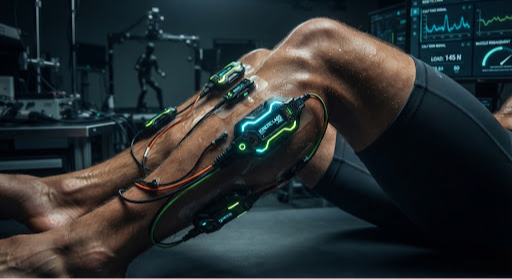
Neuromuscular efficiency (NME) represents the ability of the nervous system to properly recruit the correct muscles to produce and reduce force while dynamically stabilizing the body's structure. Our research shows that elite athletes exhibit up to 40% greater motor-unit synchronization than trained amateurs.
analytics Key Takeaways
- Neural synchronization accounts for up to 40% of force generation in explosive movements.
- Recovery protocols must prioritize CNS restoration over local muscular repair for sustained high-tier performance.
- Digital tracking of HRV (Heart Rate Variability) is the non-negotiable metric for elite workload management.
Section Title
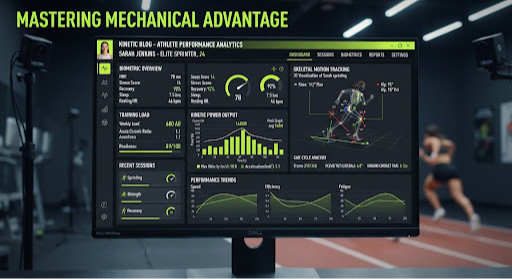
When we analyze the mechanics of a 100m sprint or a high-intensity interval, the data reveals that the transition between eccentric and concentric phases—known as the stretch-shortening cycle—is where champions are separated from contenders.
“The athlete who masters their internal digital signature is the athlete who owns the podium.”
— Marcus Vance, Kinetic Onyx
Biomechanical Precision
By utilizing high-speed motion capture and force plate integration, we can identify millimetric inefficiencies in an athlete's movement profile. These "energy leaks" are the primary cause of both injury and performance plateaus.
About Marcus Vance
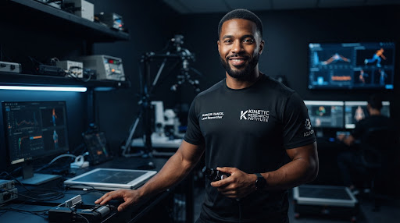
Dr. Marcus Vance is the lead performance architect at Kinetic Onyx. With over 15 years experience coaching Olympic sprinters and NFL pros, he specializes in the integration of wearable technology and biomechanical analysis.